


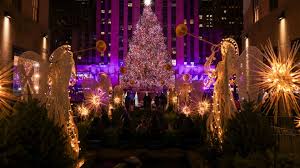
Each December, as the final weeks of the year slip into view, New York City undergoes a transformation that feels almost cinematic. Crowds swell, storefronts glow with carefully crafted holiday displays, and the chill in the air seems to sharpen the anticipation of traditions that have defined the season for generations. Among the most cherished of these is the Rockefeller Center Christmas tree lighting, a spectacle that began back in 1931 and has since become one of the most recognized holiday events in the world. This year’s ceremony, set for Wednesday evening, December 3, promises once again to unite thousands in the Big Apple and millions watching from home in a collective moment of celebration, wonder, and nostalgia.
Long before the lights are switched on and the live performances begin, the story of the tree itself captures the imagination. This year, the centerpiece of Rockefeller Plaza is a towering Norway spruce that stands an impressive seventy-five feet tall. It is roughly seventy-five years old—meaning it began its life just as the post-war era was unfolding across the country—and it comes from a quiet area just outside of Albany, in upstate New York. In many ways, the tree’s journey echoes the path of countless holiday pilgrims who travel from small towns to the heart of Manhattan each winter, eager to take part in something larger than life. The sheer size of the spruce adds to its intrigue: it weighs around eleven tons and stretches forty-five feet in diameter, making its transport, installation, and decoration a feat of engineering and organization that unfolds over weeks. Once it arrives in midtown, decorators adorn it with fifty thousand multicolored lights, carefully arranged to create the iconic glow that millions recognize instantly. Its crowning feature, the Swarovski star, weighs an astonishing nine hundred pounds, shimmering with a brilliance that cuts through winter’s early darkness and symbolizes hope, festivity, and unity.
While the tree itself is always a marvel, the lighting ceremony has grown into a full-fledged entertainment event. The broadcast serves as the unofficial gateway into the holiday season for many households across the United States. Families who mark their calendars for the first Wednesday after Thanksgiving know that for two hours, they’ll be immersed in music, performances, and the collective joy that only a tradition this enduring can bring. This year, the spectacle will air live on NBC as well as the streaming platform Peacock from eight to ten p.m. Eastern Time. The accessibility of the broadcast ensures that people far beyond New York’s borders can share in the same festive moment, whether they’re watching from a living room in Miami, a dorm room in the Midwest, or a small town on the West Coast.
A key element of the ceremony each year is the host—and this season, NBC has recruited one of entertainment’s most beloved and multifaceted stars: Reba McEntire. Known not only for her powerhouse vocals but also for her comedic timing and wide-ranging acting roles, McEntire brings a warm, familiar presence that resonates with viewers of all ages. Her work on NBC’s sitcom Happy’s Place and her role as a coach on the twenty-eighth season of The Voice have made her a prominent figure on the network, so inviting her to guide the evening feels natural. NBC even teased her role with playful excitement earlier in the fall, proclaiming in an October 23 post that she was ready to “light up your holiday season.” That energy reflects the network’s understanding of how much audiences enjoy familiar faces during the holidays—stars who seem to embody the comfort and cheer that define this time of year. McEntire is expected not only to host but also to perform, adding her signature musical style to the night’s lineup.
Adding to the star power are several of the “TODAY” show’s most recognizable personalities. Craig Melvin, Al Roker, and Savannah Guthrie—figures millions wake up with each morning—are slated to attend the lighting ceremony as well. Their presence weaves together the morning and primetime identities of NBC, something the network often uses to create a sense of continuity and community for viewers. Roker especially has become associated with seasonal traditions, often delivering weather updates from the Plaza during holiday events. His presence tends to evoke an almost familial feeling among viewers, as though longtime friends are gathering to celebrate another year together.
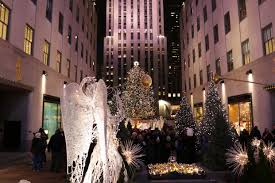
Although the broadcast and performances play a significant role, the emotional core of the Rockefeller Center lighting ceremony lies in its ability to bring people together. Every year, the Plaza becomes a microcosm of the city itself: diverse, bustling, and brimming with anticipation. Tourists cluster with locals, children gaze upward with open-mouthed wonder, and couples hold hands, leaning into the shared magic of the moment. The ceremony blends past and present—stringing together the memories of those who saw the very first tree in 1931 with the excitement of families experiencing the tradition for the first time. Over the decades, the lighting has persisted through wartime, economic booms and downturns, cultural shifts, and technological revolutions. Even in years marked by hardship, the tree stands as a symbol of resilience and unity.
This year’s spruce, with its decades of life in upstate New York, serves as a powerful reminder of nature’s slow, steady growth. While the world changed rapidly around it, the tree extended its branches, weathered storms, and reached toward the sky—much like the city it now calls home, and the people who gather beneath it. Transporting such a massive tree requires careful planning and a team of experts, from arborists who ensure the tree can be safely removed to engineers who oversee its lifting and positioning in Rockefeller Plaza. Once installed, the decorating process begins, involving miles of electrical wiring and countless hours of labor. The result is an enormous spectacle that looks effortless, as though it simply sprouted from the ground in Midtown, ready to welcome the season.
The ceremony itself typically blends performances from musicians across genres. While the full lineup often remains under wraps until closer to the event date, the presence of Reba McEntire suggests a blend of country flair and classic holiday warmth. Holiday specials often feature a mixture of modern hits, traditional carols, and collaborative numbers designed to create a sense of togetherness. Even viewers who do not follow the performers closely often find themselves swept up in the emotional pull of the music. For many families, the broadcast becomes background ambiance as they decorate their own homes, bake cookies, or wrap early gifts.
Watching the lighting from home carries its own tradition-rich experience. For some, it marks the moment to officially shift into holiday mode, a cue to bring out decorations or begin planning gatherings. For others, it serves as a treasured memory of childhood, echoing the nights when parents or grandparents called everyone to the television to witness the lighting together. The ceremony is one of those rare cultural events that appeals across generations. Its familiarity is part of the charm: no matter how much changes each year—new hosts, new performers, a different tree—the moment when the lights finally illuminate the massive spruce feels timeless.
The symbolism of the star atop the tree adds to that sense of continuity. The Swarovski star, with its thousands of facets that scatter light in dazzling patterns, captures the spirit of the season in a single sparkling burst. The star’s significant weight and intricate design make it a marvel in its own right. It serves as a beacon, one that visitors from around the world travel to admire, often braving winter winds and crowded sidewalks for the chance to stand beneath it. The star’s glow reflects off nearby buildings, ice skaters drifting across the Rockefeller rink, and the faces of the crowds that gather nightly throughout December.
The lighting ceremony also contributes to the rhythm of the city. Restaurants nearby prepare for an influx of visitors before and after the event. Hotels book rooms far in advance. Local shops extend their hours, knowing that many visitors combine the tree lighting with holiday shopping. The streets around Rockefeller Center become a tapestry of lights, sounds, and movement, forming an unforgettable New York holiday experience. Even those who avoid crowds find themselves drawn to the symbolism of it all, recognizing that the ceremony touches something hopeful in people, something universal.
As the tree takes its place in the heart of Manhattan, it becomes more than an object of decoration. It transforms into a gathering point, a backdrop for countless photos, proposals, reunions, and quiet moments of reflection. Travelers from around the globe visit it as part of a bucket-list journey. Locals pass by it on their commutes and feel a familiar swell of pride or nostalgia. Whether one views it as a landmark, a tradition, a spectacle, or a simple reminder of winter’s beauty, the Rockefeller tree stands as a testament to the city’s ability to create moments of wonder in everyday life.
This year’s ceremony, like those before it, carries the weight of nearly a century of history. When the first tree went up during the Great Depression, it was a modest display put together by construction workers who wanted to brighten the atmosphere of a difficult era. That humble gesture grew into something extraordinary—an event that now draws tens of thousands of in-person spectators and millions of viewers across the country. The tree lighting continues to evolve while remaining grounded in its core purpose: to inspire joy, connection, and faith in brighter days.
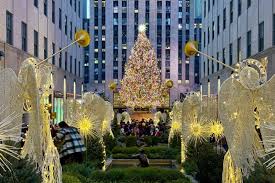
When Wednesday, December 3, finally arrives, the air in Midtown will fill with excitement. Viewers at home will settle in on couches under blankets, ready for the moment when the countdown begins. Reba McEntire’s voice will rise above the crowd, performances will bring festive energy to the night, and familiar faces from the “TODAY” show will share in the celebration. Ultimately, the moment everyone waits for—the split second when the tree bursts into radiant color—will serve as a reminder that even in a fast-paced world, some traditions retain their magic year after year.
And when the lights come on, illuminating fifty thousand bulbs across the sprawling branches, the Rockefeller Center Christmas tree will once again stand as a symbol of hope and unity, shining over a city that never stops dreaming, and a nation that never tires of celebrating the season together.